

React Native development services for cross-platform mobile teams
Full Scale is a React Native development company that staffs senior engineers in the Philippines and embeds them directly on your product team. One JavaScript/TypeScript codebase ships to iOS and Android. AMC Theatres runs on it. Your first sprint starts in as little as 7 days.
export function OrderListScreen() {
  const { data, isLoading } =
    useOrders();

  if (isLoading) return <Spinner />;

  return (
    <FlatList
      data={data}
      renderItem={({ item }) =>
        <OrderRow order={item} />}
    />
  );
}React Native and mobile teams trusted by enterprises, scale-ups, and Fortune 500s

Previously founded VinSolutions ($150M+ exit) and Stackify
Building the same mobile app twice is a special kind of hell
Back in my VinSolutions days, we shipped an iPhone app, and then I paid a separate team to rebuild the whole thing in Android. The two apps were never the same. Same product on paper, but the iOS and Android versions never quite ended up the same. Every time we changed something on iOS, somebody had to translate it for Android, and the translation was always at least a little wrong.
React Native and the other cross-platform frameworks saved us from that special kind of hell. If I'm going to spend real money building a mobile app, at least now I can do it once. Even better, if my main web app is already in React, a lot of the UI components carry across, and the same engineers who know our web codebase can potentially work on the mobile side too. That changes the math on hiring.
That is why our React Native development services exist. We work with clients solving the exact same problem I had ten years ago: ship one mobile app, share components with an existing React web stack, and avoid staffing two separate platform teams. If you are still deciding between native and cross-platform, start with our mobile app development services page. If React Native is already the answer, we have the bench for it.
Five reasons React Native is the right call for cross-platform mobile
If you've already committed to React Native, you don't need to read this. If you're still evaluating whether React Native is the right call for your app, or whether to move an existing native app toward it, these are the technical arguments that hold up in production, not in a vendor slide deck.
One codebase, both app stores
React Native ships iOS and Android from a single TypeScript codebase, so you maintain one app instead of funding two native teams. For most consumer, content, and utility apps that's a large, real cost saving without the user noticing they're on a cross-platform build.
Your React skills already transfer
React Native uses the same component model and mental model as React on the web. A team that knows React can build mobile, and logic and types can be shared across web and mobile. Fewer specialists to hire, more reuse across platforms.
Near-native performance with the New Architecture
Fabric, TurboModules, JSI, and Hermes closed most of the old performance gap, and when a screen genuinely needs native, you drop to a native module for that piece. We build native modules when the app earns it rather than forcing everything through the bridge.
Fast iteration and over-the-air updates
Hot reload in development and OTA updates (EAS Update, CodePush) in production mean JavaScript fixes can ship without a full app-store review cycle. For a product that iterates quickly, that release velocity is a genuine advantage over pure native.
Meta-backed with a deep community
React Native is maintained by Meta, used by major consumer apps, and supported by Expo and a huge library catalog. The honest caveat: graphics-heavy, AR, game, or deeply platform-specific apps are still better as true native, and we'll tell you when that line is crossed.
AI-powered React Native engineers, trained on Product Driven principles
Most mobile teams adopting AI are shipping more code without shipping better apps. The slop volume climbs, App Store review rejections follow, and developers whose only skill is typing faster end up costing more in cleanup than they save in keystrokes.
Full Scale React Native developers are trained on something different: the Product Driven approach from Matt's book, combined with the full modern AI toolkit (GitHub Copilot, Claude, Cursor). They think first, type second, and use AI for the parts where judgment doesn't add value. That combination is rare, and it is what mobile teams should actually be hiring for in 2026.
Product Driven engineering
Our engineers are trained on the five pillars from Matt's book: Vision, Focus, Clarity, Ownership, and Courage. The result is developers who push back on bad product decisions, ask whether a ticket should exist before writing it, and own the outcome of what ships. They are not order takers.
Read Product Driven, the bookAI as a thinking partner
Every React Native engineer on our bench works with GitHub Copilot, Claude, and Cursor every day. They use AI to explore options, scaffold the boring parts, generate Jest and React Native Testing Library tests, and review their own pull requests before a human ever sees them. Judgment stays with the engineer, the grunt work moves to the machine.
React Native already saves you from building the same mobile app twice. AI saves your senior engineers from typing boilerplate. The engineers worth hiring know how to use both without losing their judgment in the process.

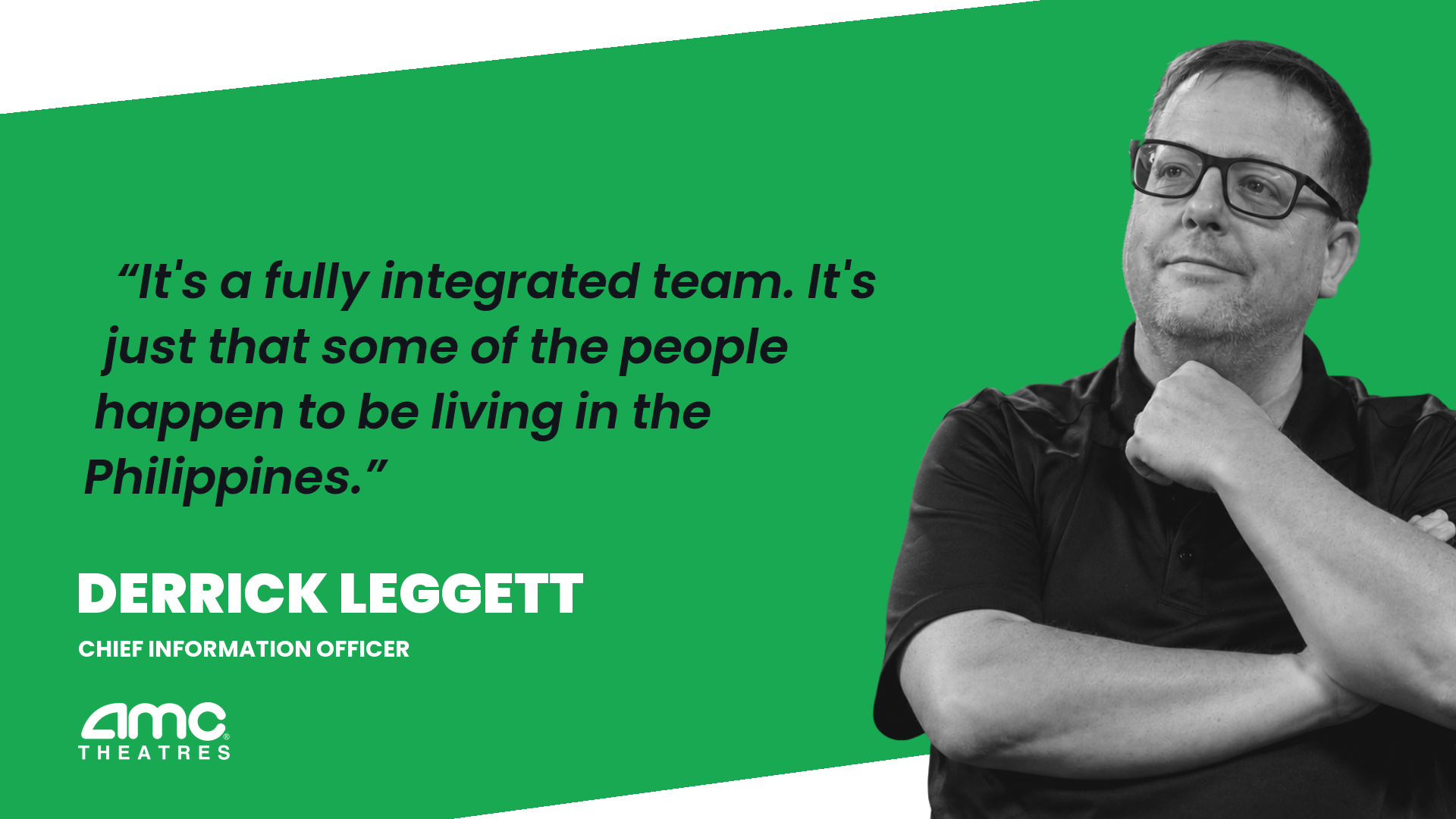
React Native development services delivered via staff augmentation
Full Scale delivers React Native development services by embedding senior engineers directly on your team, billed for engineering hours rather than fixed-bid projects. Greenfield cross-platform builds, Firebase backend wire-ups, New Architecture migrations, jank fixes that have been open for six months, and our developers ship across all of it. Weighing native versus cross-platform? See our mobile app development services for the full picture. Here are the React Native development services we get hired for most often.
Custom React Native app development
Custom React Native development means greenfield builds on the latest React Native or Expo SDK with TypeScript everywhere, React Navigation, TanStack Query for server state, and a real domain model rather than a screen-tree-shaped CRUD scaffold. The codebase survives the first 18 months without a rewrite, and your team can still reason about it on month 19.
Read our React Native development guideCross-platform iOS and Android app development
Cross-platform React Native work means one codebase that ships to App Store and Play Store with platform-correct behavior, gestures, and accessibility on each side. We test on real iOS and Android hardware, not just simulators, and we know where the platform divergences actually live (push notifications, deep links, in-app purchases, background tasks).
Hire native Android developers when RN isn't enoughReact Native API integration and backend wiring
We build REST and GraphQL clients with TanStack Query, Apollo, or urql, plus contract testing in CI with MSW. Third-party integrations get proper retry logic, exponential backoff, and idempotency keys, which gives you an API layer the mobile app does not curse at when the network flakes on a train.
Firebase, Supabase, and AWS Amplify backends
We build mobile backends on Firebase Auth, Firestore, FCM push, Cloud Functions, and Crashlytics, plus Supabase, AWS Amplify, and Convex when the project calls for it. Authentication flows, real-time sync, offline-first caching with MMKV or WatermelonDB, and analytics are wired in from day one, with no "we shipped without crash reporting" surprises.
Legacy mobile to React Native migration
We run production migrations from Cordova, Ionic, native iOS, or native Android codebases onto React Native without breaking active users. We know which platform APIs still need a native module, where Turbo Modules and Fabric beat the old bridge, and how to stage a screen-by-screen cutover so business does not stop. This is migration work we have done for systems with millions of installs.
Read the offshore React Native development guideReact Native performance engineering and debugging
Our React Native performance work covers the Hermes profiler, Flipper, Perfetto for Android, Xcode Instruments for iOS, list virtualization with FlashList, and bridge traffic profiling when frames get janky. These are skills most offshore mobile shops have never developed, so hire us when your React Native app is dropping frames and nobody knows why.
Mobile patterns our React Native engineers apply in production
Most offshore React Native shops deliver an app that runs in a simulator at handoff. What determines whether it survives the App Store, real devices, and 18 months of iteration is the decisions made in the first sprint. These are the patterns our engineers reach for, and the reasoning behind when each one earns its complexity.
Cross-Platform with Platform-Correct UX
One codebase, but iOS and Android still feel native: platform-correct gestures, navigation transitions, and accessibility on each side. We handle the real divergences (push, deep links, in-app purchases, background tasks) instead of shipping the lowest common denominator.
New Architecture + Native Modules
Fabric and TurboModules with Hermes for the JavaScript layer, and a purpose-built native module (Swift or Kotlin) for the few screens that genuinely need it. We don't bridge to native out of habit, and we don't avoid it when performance demands.
State, Data, and Offline
Server state through React Query (or TanStack Query), light client state in Zustand or Redux Toolkit, and an offline-first cache where the app needs to work on a subway. We keep state close to where it's used instead of one global store for everything.
Navigation & Deep Linking
React Navigation with typed routes, universal and deep links wired to the right screens, and auth and onboarding flows that survive a cold start from a notification. Navigation is where a lot of mobile apps quietly break, so we engineer it deliberately.
Performance: Lists, Re-renders, Startup
FlashList for large lists, memoization where the profiler says it matters, Hermes and a watched startup time, and re-render discipline so a keystroke doesn't repaint the screen. Mobile users feel jank immediately, so performance is a requirement, not a polish pass.
Testing & Release Pipeline
Detox or Maestro for end-to-end flows on real devices, EAS or Fastlane for builds and store submission, and an over-the-air update path for JavaScript fixes. Release engineering is half the work in mobile, so we build it in from the first sprint.
Opinionated takes on React Native from engineers who ship it
Most vendors tell you React Native is the right choice for every app. We'll tell you when it isn't. These are the actual opinions we hold based on building and shipping React Native apps to the stores, not talking points from a sales deck.
Cross-platform apps that share most of their logic across iOS and Android, teams already living in React, and content, commerce, or utility apps where time-to-market and OTA iteration matter more than squeezing the last frame. If you want one team shipping to both stores, React Native is hard to beat.
Graphics-heavy apps, AR, games, or anything leaning hard on platform-specific frameworks belong in true native (Swift, Kotlin). The same goes for apps where one platform is 95% of your users, where the cross-platform overhead isn't worth it. We'll tell you when native is the right call instead of forcing React Native to do something it isn't good at.
We ship TypeScript throughout, FlashList for large lists, typed navigation, OTA update pipelines, and end-to-end tests on real devices. We refuse bridging to native out of habit, thousand-line screen components, ignoring iOS/Android divergences, testing only on simulators, and shipping with no crash reporting or update strategy in place.
Ejecting from Expo prematurely and inheriting native build maintenance nobody wanted. Skipping the New Architecture migration until the libraries force it. Native-module version hell where one upgrade breaks five dependencies. Treating iOS and Android as identical and shipping a build that crashes on Android release. And no end-to-end tests, so every store submission is a leap of faith.
From first call to the app stores: how a React Native project runs at Full Scale
Staff augmentation without a delivery framework is just headcount. Here is what the engagement actually looks like from the first conversation to a shipped app and the ongoing work that comes after.
We scope the engagement together: what to build first, what specializations to staff, what the first sprint should deliver. You walk away with a staffing plan and a candidate shortlist, not a 40-page requirements document.
You interview our pre-vetted candidates and select who starts. We handle employment, payroll, and equipment setup on the Philippines side. Your engineer gets access to your repo, your tools, and your standups. First commit typically happens within the first week.
Your engineer works in your sprint cadence, under your tech lead, committing to your repo with builds on every PR. You see the work in progress on a real device, not at a scheduled demo. Architecture decisions happen in your standups, not behind a project management wall. The sprint velocity is yours to direct.
Our engineers test as part of delivery, not as a post-sprint cleanup task. Component tests, Detox or Maestro end-to-end on real iOS and Android devices, and crash reporting wired in. AI-assisted PR review (Copilot, Cursor) before human review. Code that ships is code that's been tested on hardware.
Your engineers own store submission and the release pipeline: EAS or Fastlane builds, App Store and Play Store deployment, OTA updates for JavaScript fixes, and crash monitoring with Sentry or Crashlytics. They stay on after launch. Post-launch bugs go into your backlog like any other work, not into a 'warranty period' clause in a contract.
How a React Native development project starts at Full Scale
No discovery phase you pay for before a line is written. No 6-week RFP process. We scope in a single call, assemble engineers screened by our four-stage vetting process, and have a build running in the first week.
Scoping call
30 minutes. We learn what needs to be built, what's already in the codebase (if anything), what the first sprint should deliver, and what specializations the project needs. We don't pitch on this call. We scope.
Team assembly
We pull 1–3 pre-vetted React Native engineers whose skills, seniority, and prior project experience match what the project requires. You see their full profiles and actual project history before the interview.
Technical interview
You interview candidates the way you would any senior hire: live component design, navigation and performance questions, and React Native-specific technical depth. Pass on anyone you don't believe in. We keep looking.
Contracts & setup
One contract with Full Scale. We handle all employment, payroll, equipment, and HR logistics in the Philippines. Your engineer gets repo access, tool access, and sprint 1 is planned.
First delivery
Your engineer joins your standups, commits to your repo, and ships a build in the first week. Our delivery team stays in the loop through ramp-up to make sure velocity doesn't stall. They own the work through launch and beyond.
Signing a contract is not the same as shipping an app
Most React Native outsourcing failures aren't engineering failures. They are delivery model failures. The fixed-bid agency model creates incentives that work against you: speed over quality, handoffs over ownership, scope control over outcomes. Staff augmentation realigns those incentives. Here are the six ways the agency model breaks down on real mobile projects.
Fixed-bid scope creep destroys budgets
Agencies win the bid with an optimistic estimate, then recover their margin through change orders. Every requirement that wasn't in the original spec becomes a billable revision. By go-live, the 'fixed' price has doubled and the relationship is adversarial.
The agency disappears after handoff
Fixed-bid projects end at store submission. The engineers who built your app move to the next bid. You own every crash, every OS update that breaks a dependency, and every store rejection without the institutional knowledge of the people who built it. Post-launch support becomes a new contract negotiation.
No visibility until it's too late to change
Black-box delivery means you see the app at the end of a cycle or, worse, at handoff. By the time you learn it only really works on the simulator, the architecture is already built around it. Staff aug keeps engineers in your repo and your standups, building on real devices, from day one.
Speed incentives drive wrong architecture
Fixed-bid agencies are paid to ship fast, not right. That means an app that works in an iOS simulator but crashes on Android release builds, a component tree that re-renders on every keystroke, no end-to-end tests, and native bridges where plain JavaScript would do. You inherit an app optimized for handoff, not for the stores.
Engineer rotation breaks continuity
Agencies staff projects with whoever is available, not whoever is best-matched. Project managers cycle. The developer who built your navigation and auth flow gets rotated to another engagement. New engineers inherit code they didn't write, and the velocity cliff arrives around sprint 8.
Production failures become "out of scope"
A crash spike after an OS update, a memory leak that only shows on older Android devices, a store rejection nobody planned for, agencies classify these as new work. With staff augmentation, your engineers own what they shipped and have incentive to build it right the first time.
React Native expertise tuned to your industry
As a React Native development company that has been around for over a decade, we have placed dedicated React Native developers into nearly every industry that ships mobile apps. Domain knowledge cuts onboarding time in half, so we match developers to projects where they have already shipped real code.
Finance & FinTech
Production React Native in finance means strict audit trails, secure storage with Keychain and Keystore, biometric auth, and zero tolerance for data anomalies. We have built and scaled React Native mobile banking apps, lending workflows, and payment SDKs for regulated US companies. Cross-platform mobile finance is one of our most-staffed verticals.
From greenfield React Native apps to native mobile migrations
Whether you want to hire React Native developers for a greenfield build, hire Expo and Firebase engineers for a backend wire-up, or outsource React Native development on a legacy native iOS or Android codebase, the bench covers every layer of the mobile stack. Pick what you need. We will match a React Native programmer fluent in it.
Hire dedicated React Native developers, two ways
Most clients start with a single dedicated React Native developer and grow into a full team. Either way, you get full-time engineers who sit on your standups, work your hours, and ship code against your roadmap. Both options are our staff augmentation model at the core: dedicated, long-term engineers embedded in your team rather than freelancers, shared resources, or a project shop on the side.
Dedicated developer
Full-time, exclusive, sits on your standups.
- Full-time React Native engineer assigned only to your project
- Works your hours, your tools, your codebase
- Joins your standups, reports to your tech lead
- We handle payroll, HR, equipment, retention
- Two-week money-back guarantee
Dedicated team
Multiple engineers, embedded as a pod.
- 2-10 React Native engineers staffed together as one pod
- Optional QA, DevOps, and tech lead included
- Operates as a team inside your engineering org
- Scale up or down by a head with 30 days notice
- Account manager you can escalate to in the US
Dedicated React Native developers, starting at $35 an hour
That rate is fully loaded. Every engineer we staff on your mobile project is a senior React Native developer in the Philippines working full-time under your direction, and we cover the payroll, benefits, HR, and equipment. The same role hired locally in the US costs $150K to $195K a year, which is the delivery math that brings most teams to the table.
- Full-time, dedicated React Native engineer
- Pre-vetted by senior React Native reviewers
- Works your hours, your tools, your codebase
- Payroll, HR, equipment, benefits handled by us
- US-based account manager you can escalate to
- Two-week money-back guarantee if it isn't a fit
Full Scale has made the Inc. 5000 five years in a row and is Great Place to Work certified. We have been doing this since 2018, and pricing isn't the only reason clients stay with our React Native development company, it's the easiest reason to call.
Why we deliver React Native apps from the Philippines
Every React Native app we deliver is staffed from the Philippines. You can also hire dedicated developers in the Philippines across every other stack we work in, with the same vetting bar, retention, and engagement model that React Native clients get.
English-fluent by default
The Philippines is the third-largest English-speaking country in the world. Standups, code reviews, and customer calls work the way they do with any US team member.
Real time-zone overlap
Most of our React Native engineers shift their hours toward the US business day, giving 3-4 hours of real-time overlap with East and West Coast teams, so decisions happen live during shared hours rather than crawling through 24-hour async handoffs.
Deep mobile talent pool
Cebu and Manila produce tens of thousands of CS and IT graduates a year, deep enough to staff a full mobile project team without compromising on seniority. Mobile development has been a focus area for Philippines computer science programs for over a decade, with ready talent in React Native and across the broader iOS and Android stack.
Cultural alignment with US teams
Filipino engineers grow up on US business norms, US TV, and US tech culture, so agile rituals, direct feedback, and collaborative workflows feel familiar from day one. These teams integrate fast rather than needing constant management.
Staff augmentation vs the other ways to get a React Native app built
Every mobile delivery model has a different set of trade-offs. Fixed-bid agencies offer a contract; consultancies offer a proposal. Staff augmentation offers engineers who embed in your team and work under your direction from day one. Here is how those models compare on the things that actually determine whether a React Native app succeeds.
| Factor | Full Scale (staff aug) | Fixed-bid agency | Consultancy / SI | Build in-house |
|---|---|---|---|---|
| Time to first sprint | 7 days | 4-8 weeks | 6-12 weeks | 3-6 months |
| You control architecture decisions | ||||
| Visibility into work in progress | ||||
| Engineers dedicated full-time to your project | ||||
| Scope flexibility when requirements change | ||||
| Budget predictability | ||||
| Engineers own what they ship post-launch | ||||
| You own all IP from day one | ||||
| Engineer continuity across the project | 93%+ retention | varies | low | varies |
| Fully-loaded cost vs US in-house team | ~40-50% | ~60-80% | ~100-150% | 100% |
The numbers behind a React Native staffing partner that actually works
Deeper guides to React Native development and architecture
Offshore mobile app development
When offshoring mobile app work is the right move, and how to do it well.
Outsource mobile app development
How to outsource mobile app development without losing control or quality.
Nearshore vs offshore
When each model wins, from a CEO who has run both.
Outsourcing vs offshoring
The distinction most CTOs get wrong, and why it matters.
What offshore development really costs
The real numbers behind offshore rates and total cost.
The ROI of offshore development
The math behind 50-70% development cost reductions.
Everything you wanted to know about React Native development services
React Native development services from engineers who have actually shipped mobile apps
Book a 30-minute discovery call with a React Native development company that delivers via staff augmentation from the Philippines. We'll learn what you're building, walk you through which React Native engineers, mobile architects, Firebase specialists, or QA engineers are on the bench, and you'll meet candidates within a week. No pressure, no sales pitch on the call.