Full Scale named to the Inc. 5000 for the 5th time

    Our model

    We build the team. You lead the work.

    Full Scale recruits, employs, supports, trains, and retains experienced software engineers in the Philippines.

    They work directly as part of your engineering team. You lead their work, set priorities, and integrate them into your processes just like the rest of your team. Nobody from Full Scale sits between you and your engineers.

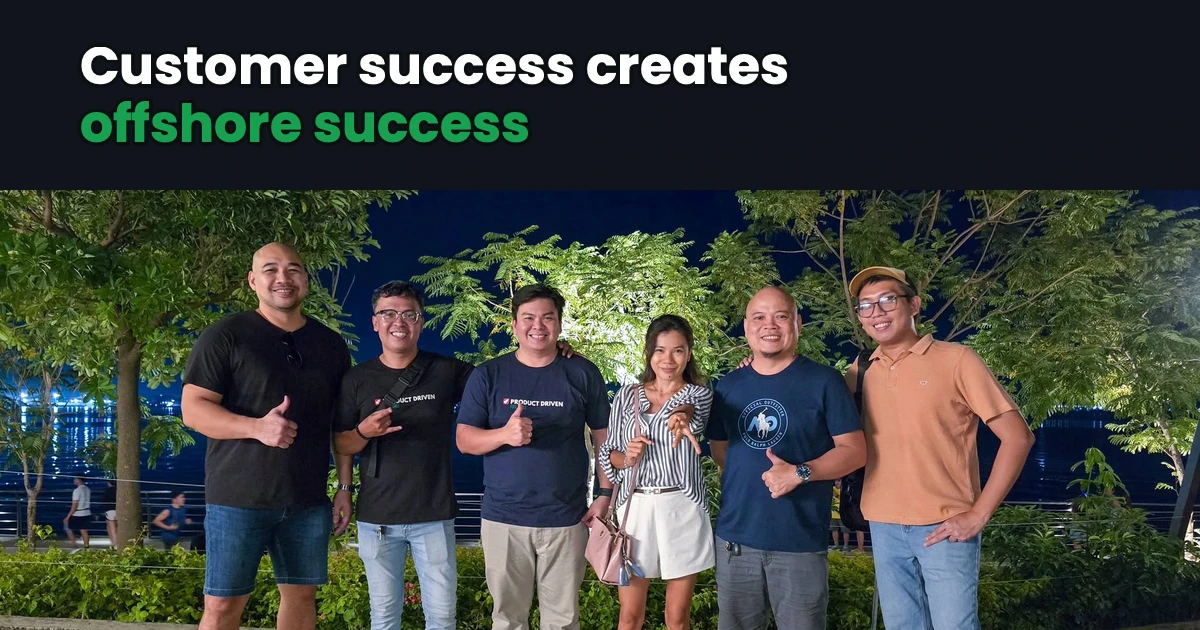
    Behind the scenes, our customer success managers meet with your Full Scale engineers weekly to support them, keep the engagement healthy, and catch problems before they reach you.

    It starts with staff augmentation. What makes offshore software development actually work is everything we have built behind it. Over 200 companies have trusted that model since 2018, including AMC Theatres.

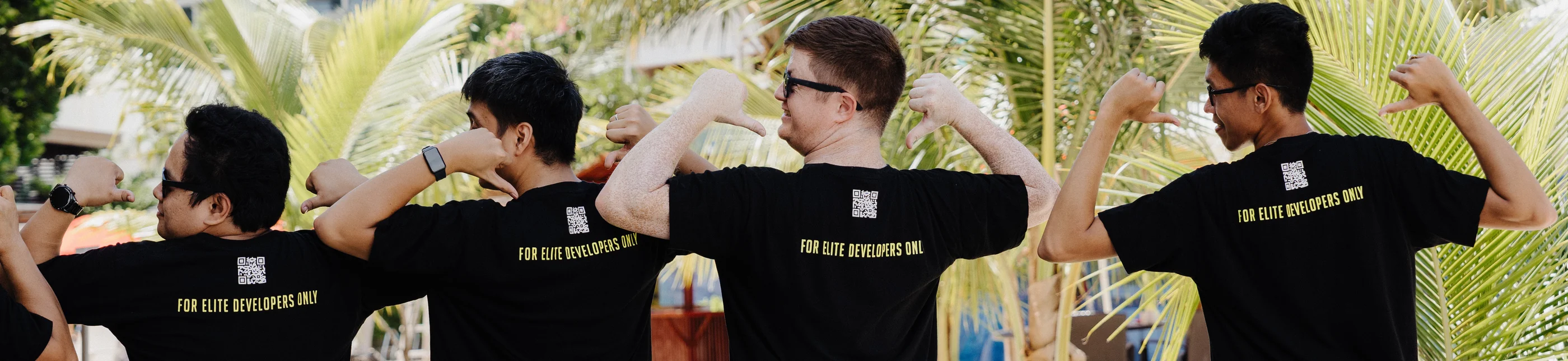
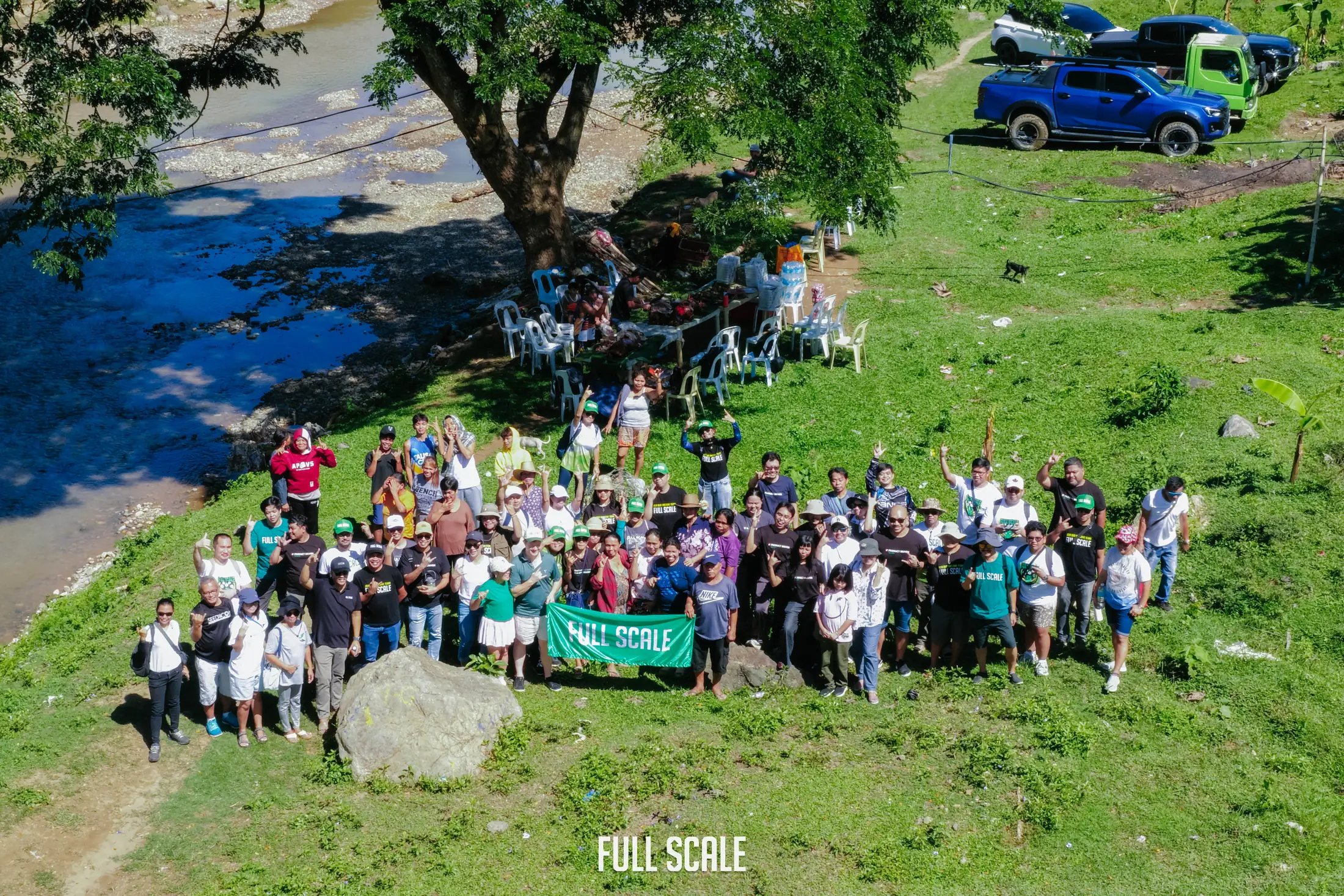
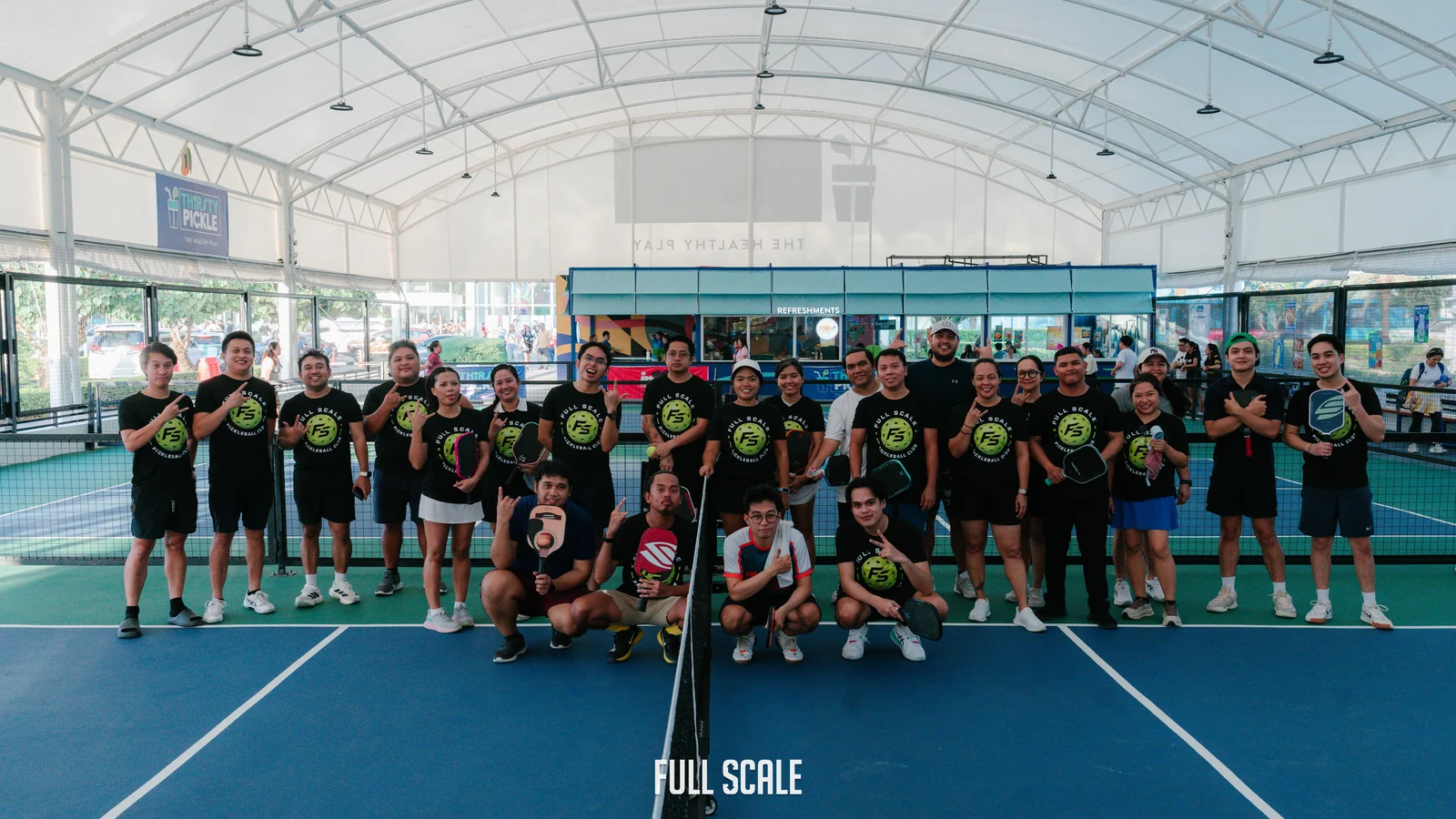
    Full Scale engineers working together in the Philippines

    Recognized by

    Inc. 5000 - America's Fastest-Growing Private CompaniesForbes NEXT 1000Great Place to Work Certified 2025 PHDeloitte Technology Fast 500 North America 2025OA500 Global Outsourcing Firm Index - Top 500, 2025

    Working with us

    How the Full Scale model works

    There is no project manager, architect or account team sitting between you and your engineers, which is where a traditional vendor adds 30 to 40 percent overhead.

    You manage the engineers.
    They work in your standups, your backlog and your tools, under your engineering leadership.
    We take care of the engineers.
    Full Scale recruits, employs, pays, trains, develops and retains them.
    And we support the relationship.
    Our customer success team catches problems early, behind the scenes.
    It's a fully integrated team. It's just some of the people happen to be living in the Philippines.
    Derrick Leggett, CIO, AMC TheatresRead the story

    More on this: How staff augmentation pricing works·Managing distributed teams

    Recruiting and vetting

    How we recruit top talent in the Philippines

    Our customers trust us to find elite development talent in the Philippines. Here are the details of how exactly we do it. We turn down more than 97 percent of applicants. We get into why and the exact rubric we use on how we vet and score interviews. Every employee is also required to pass an eight-step background check.

    The capability of the folks that Full Scale has brought to our team has been phenomenal. The Full Scale team has staffed us with top performers in our company.
    Dustin Johnson, Co-founder and CTO, SOTA CloudRead the story

    Meet the talent our model produces

    Real Full Scale engineers, in their own words, on the work and the career behind it.

    Running your engagement

    How we manage hundreds of developers

    This is where most offshore engagements quietly go wrong. Every Full Scale account gets a customer success manager, capped at 70 developers each, plus a written report from every engineer at the end of every shift. The CSM manages the employment relationship and never touches your backlog, your sprint or your code review.

    Other than the fact that they're not physically here with us, you would think that they've always been working with us.
    Jason Flowers, Head of Software Engineering and DevOps, AG MednetRead the story

    More on this: Onboarding a new engineer·Async communication tools

    How we retain great talent

    Employee retention and training

    The biggest problem in offshoring or outsourcing is always employee turnover. Full Scale holds engineer retention above 93% a year out, levels developers against 14 scored measurements instead of years served, and runs weekly training through the Spartan Training Academy, where 284 of our 314 engineers have finished the mandatory AI course. Here is how all of that actually works.

    Our Full Scale teammates are the ones pushing AI the hardest. They're showing us what's possible faster than some of our most tenured people.
    Brandon Grady, CTO, LythoRead the story

    Questions we get on the first call

    How much overlap will we get with our working hours?
    Most of our team works 3 p.m. to midnight Philippines time, which puts them online until about noon Eastern. That gives you three to four hours of overlap every day, and that window is usually enough: it covers standups, live problem-solving, and the conversations that unblock people, while the rest of the day runs heads-down. Some of our engineers work full US hours instead when a client needs it.
    Who manages the developers day to day?
    You do, and that is the whole reason this works. Outsourcing fails when you put layers between yourself and the developers, because those same layers end up sitting between the developers and the problems they need to become experts at. Ours work directly for you: your standups, your backlog, your leads, the same as anyone else on the team. We are the employer behind that, so we recruit them, pay them, train them, run performance reviews, and keep them. A customer success manager also works your engagement in the background, catching problems while they are still small. Clients tell us it is one of the most valuable parts of the model, and it costs nothing extra.
    What happens if a developer is not working out?
    We diagnose it before we replace anybody, because most of the time the problem is context or expectations rather than the person. If it is genuinely performance, the developer goes on a written improvement plan, and four out of five come back from it. We do not offer a replacement guarantee, but we do back the start of every engagement with a two-week money-back guarantee: if it is not working out in the first two weeks, you get your money back.
    Are we locked into a long-term contract?
    No. If it is not working out in the first two weeks, you get your money back. After that you can drop a developer with 30 days' notice. There is no multi-year commitment and no termination penalty. Our clients love being able to scale up and down as they need to, with none of the HR headaches that come with doing it yourself.
    Who owns the code our team writes?
    You do, from the moment it is created. You sign one contract with a US company, we hold real employment agreements with every engineer, and the IP assignment runs end to end with no gap in the chain.
    How quickly can somebody start?
    If the right person is already on our bench, they could theoretically start tomorrow. If we need to recruit for the role, we can usually find excellent candidates in one to two weeks. Honestly, the slowest part is normally on your side: getting the contract executed, and finding time to interview people and make a decision. Starting and being fully onboarded are also different things, so expect about two weeks before an engineer is productive in your codebase, which is roughly what a local hire takes.
    What does it cost?
    Rates start at $35 an hour fully loaded, which covers salary, benefits, equipment, management, and our margin. It varies a lot from there based on skill set, seniority, and even where in the Philippines somebody lives. There are no recruiting fees and no separate account-management layer. Most clients land 50 to 70 percent below the cost of an equivalent US hire.


    Are you ready to grow your team?

    Our customers are looking for partners to build long term teams with. We believe that starts with showing them how we run our entire business. We hope this detailed overview of our model of staff augmentation helps you understand why our customers have been successful.

    Book a discovery call